
Why a Tankless Water Heater Might Be the Smartest Upgrade for Your Home
In today’s world, homeowners are constantly looking for smarter, more energy-efficient ways to improve their living spaces. One major shift in home utilities has been the growing popularity of tankless water heaters. Unlike traditional water heaters that store hot water in a tank, tankless models heat water only when it’s needed. This “on-demand” feature not only saves energy but also offers a range of other benefits that make it a compelling choice for modern households.
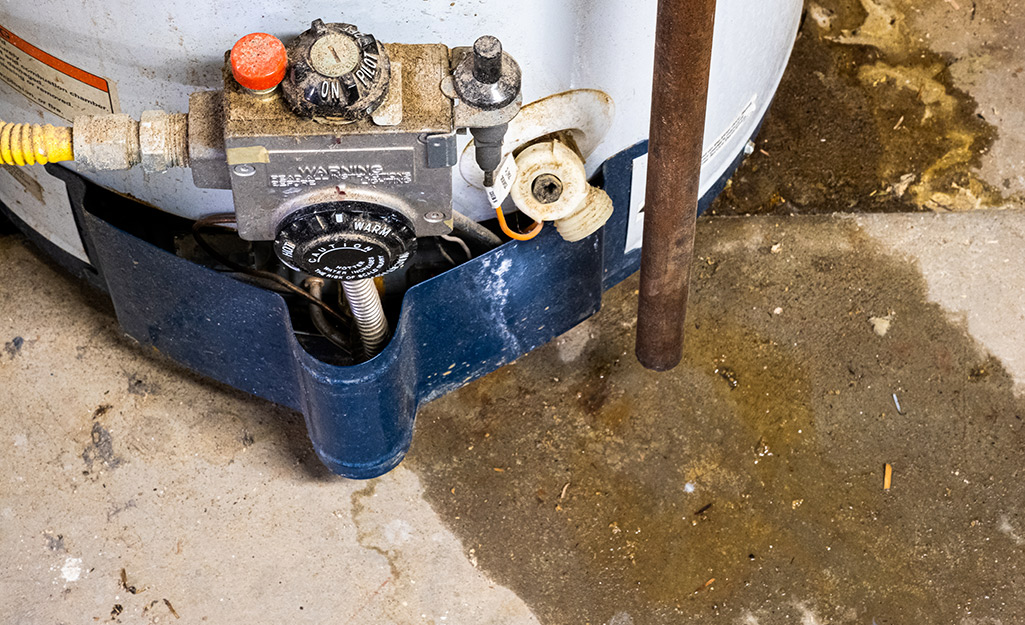
A tankless water heater, sometimes referred to as an on-demand or instantaneous water heater, works by heating cold water directly through electric elements or gas burners as it flows through the unit. There’s no storage tank involved, which means you don’t run out of hot water just because the tank is empty — a common frustration with traditional systems. This makes them particularly ideal for larger families or homes with high hot water demand.
One of the most attractive advantages of a tankless water heater is energy efficiency. Because it only heats water when you turn on the tap, there’s no standby energy loss, which is typical of conventional heaters that keep a tank of water hot at all times. Over time, this can translate to significant savings on your utility bills. The U.S. Department of Energy estimates that homes using 41 gallons or less of hot water daily can see energy savings of 24% to 34% with a tankless unit.
Space-saving is another perk of going tankless. These compact units are often mounted on walls and take up much less room than bulky water heater tanks. This frees up floor space in basements, utility closets, or garages — space that can be used for other purposes. Some models can even be installed outdoors or in smaller nooks where a traditional unit simply wouldn’t fit.
While the initial cost of a tankless water heater is higher than that of a standard tank unit, many homeowners see it as a long-term investment. Not only do these systems typically last longer — up to 20 years or more with proper maintenance — but they also reduce energy costs over time. In many cases, rebates or incentives from local governments and utility companies can also help offset the upfront expense.
Ultimately, switching to a tankless water heater is more than just a trend. It’s a smart, forward-thinking choice for homeowners who value efficiency, performance, and long-term savings. Whether you’re building a new home or upgrading an outdated system, a tankless water heater offers a reliable and eco-friendly solution for your hot water needs.
